How Vänersborg Municipality Developed Its Employee Performance Reviews with a Focus on Value Creation and Organizational Benefit

How Vänersborg Municipality Developed Its Performance Review Process – With a Focus on Value Creation and Organizational Impact

In the autumn of 2022, Vänersborg Municipality began work to develop its performance review process. The goal was not merely to digitize an existing process, but to create a more equitable, business-focused, and value-creating dialogue that strengthens both performance and development over time.

The initiative was led by Camilla Andersson, Head of Negotiations responsible for labor law matters and salary reviews, and Malin Öberg, HR Specialist focusing on talent and leadership supply.

”It was really about two things. One was to digitize the conversation. The other was to get to the bottom of the purpose: why do we have performance reviews? What should be discussed in a performance review? Digitalization gave us a greater opportunity to truly review that,” 

– Camilla Andersson

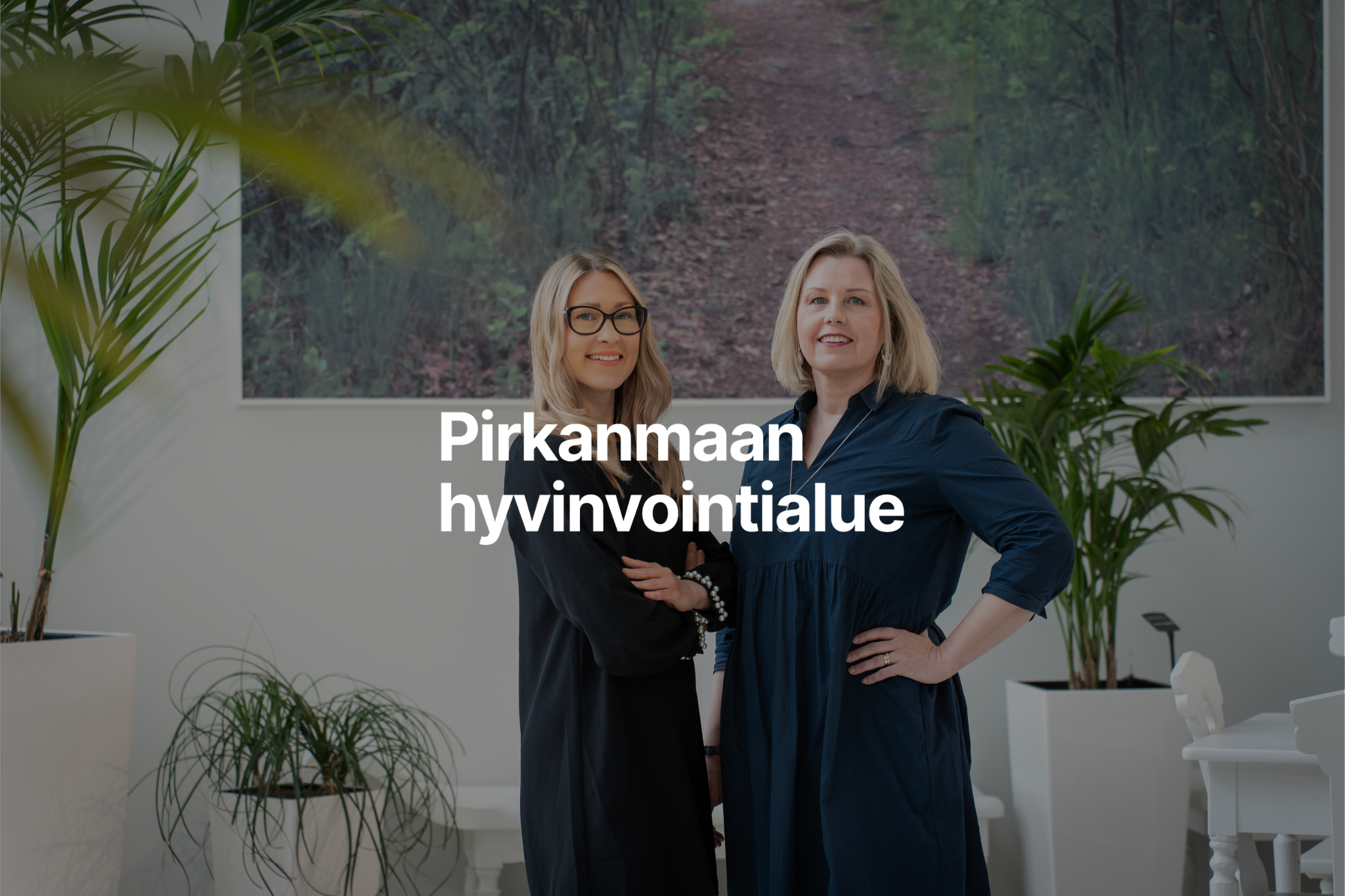
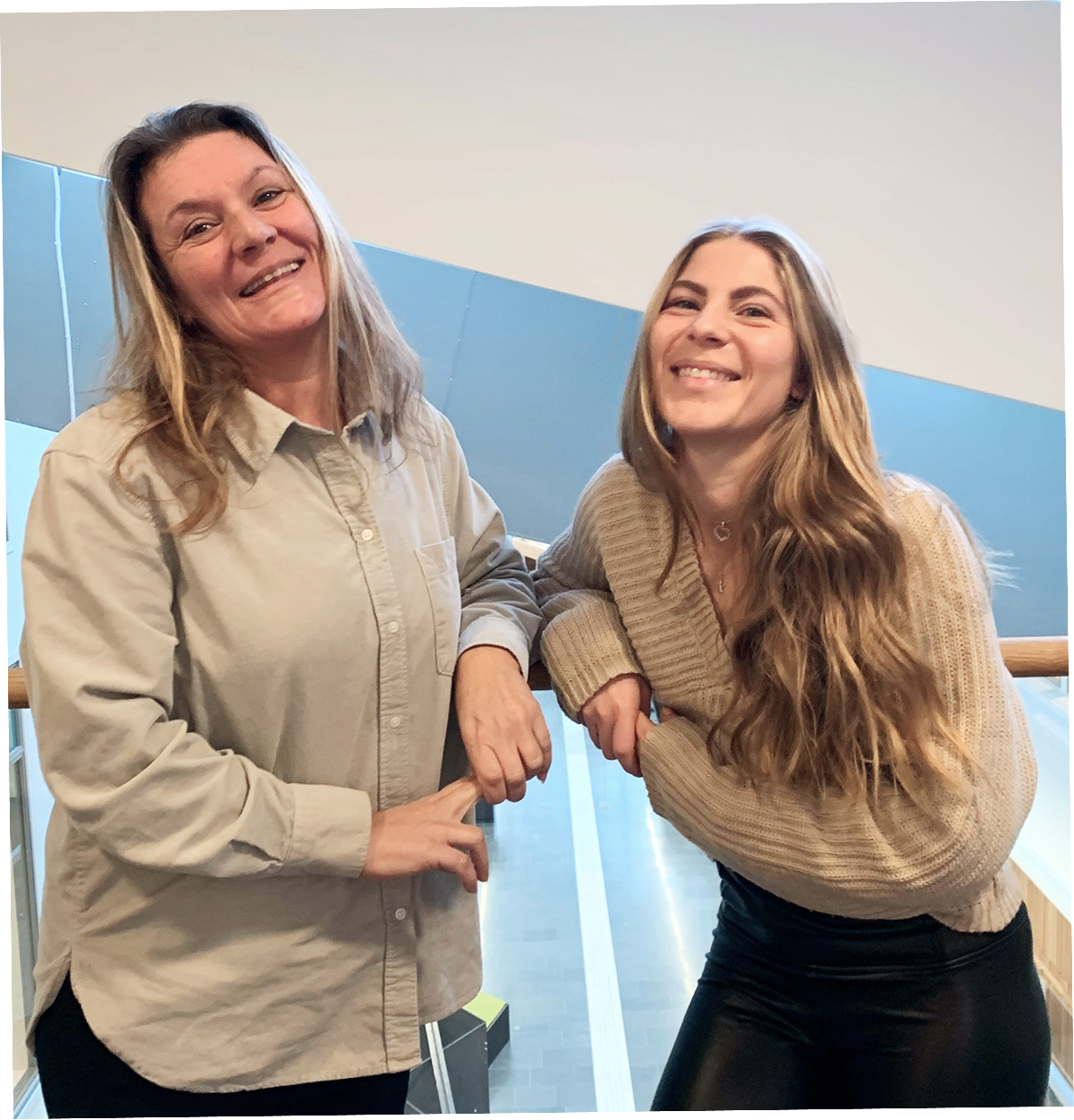
Malin Öberg and Camilla Andersson, Vänersborg Municipality

From Checklist to Clear Purpose

Before procuring a digital solution, the municipality identified several needs. They wanted a modern and interactive platform where different processes could work together — but above all, they wanted to ensure that documentation and goals would not disappear when managers changed roles.

A central requirement was therefore that the system should follow the employee, not the manager.

“We wanted to move away from important documents ending up in a drawer or disappearing when a manager leaves. The performance review should be part of long-term development, both for the individual and for the organization,” says Camilla.

”Performance reviews can easily grow and start to include everything imaginable. We went back to the fundamental focus of the conversation. What is it that you are supposed to do there — that you don’t do anywhere else? We really turned it inside out,”

– Malin Öberg

Two Perspectives Became a Success Factor

A clear success factor was that the work was driven jointly by two people with different perspectives.

“There have been two of us, with different roles and different approaches. That allowed us to incorporate multiple perspectives and truly quality-assure the content. It became a strength both in the project and in our continued collaboration,” says Camilla.

A Gradual Implementation Over Three Years

The implementation of Grade began with a smaller pilot phase in the autumn of 2022. The municipality allowed five to six managers from different operational areas to test the setup and provide feedback on details before launch.

In December 2022, the system was rolled out organization-wide, but with a clear strategy: implementation would take place gradually over three years.

The approach was structured as follows:

  • Year 1: Managers who were ready began using Grade for the forward-looking part of the conversation — that is, setting new goals digitally in the system (evaluation of the previous period’s goals was followed up in the old materials).
  • Year 2: Those who had already started conducted the entire performance review in the digital platform, while others took their first steps into the system.
  • Year 3: The goal was for all managers to work fully in Grade.

During the first year, a formal training initiative was carried out. After that, Malin was available as support for managers or management teams who wanted guidance and strategic discussion on how to use the system based on their specific needs.

”We’ve provided instructional materials, videos, and support in various forums. And we’ve been very accessible. During certain periods, many managers requested support in their work,” 

– Malin Öberg

An important lesson was that a digital performance review must not be reduced to a purely technical implementation.

“Otherwise, it becomes mere digitization instead of digital transformation. This is a change intended to contribute to organizational development — not just to replace paper with computers,” says Malin.

A Streamlined Structure That Helps Managers Stay Focused

In developing the new format, the municipality landed on a clear structure: the performance review is built around 4 + 1 questions, designed to maintain focus on assignment, performance, and development.

“Some may think it’s few questions, but our main question concerns the assignment, goals, and activities for the coming period. That’s why we have performance reviews,” says Malin.

The following two questions focus on conditions:

  • What resources and work environment conditions are needed to succeed?

  • What competence development is required to contribute going forward?

“We are here for the residents of Vänersborg. To deliver high-quality services, we need the right conditions — both physically and organizationally. The conversation should help us talk about what actually impacts results,” says Camilla.

Den fjärde frågan är en öppen fråga som ger möjlighet att fånga upp andra faktorer som påverkar arbetet – exempelvis oro eller privata omständigheter – utan att samtalet blir

The fourth question is an open-ended one, allowing other factors that affect work — such as concerns or personal circumstances — to be addressed, without turning the review into a forum for sensitive documentation.

The fifth question is a mandatory compliance question regarding secondary employment.

The municipality has also chosen to include a summary section, which many managers find helpful in wrapping up the conversation and clarifying next steps.

“It Takes 2–3 Years Before It Becomes Truly Valuable”

In the spring of 2025, the municipality conducted a larger evaluation of the performance review process in Grade. The survey was sent to approximately 170 managers and achieved a response rate of 70 percent — which in itself demonstrated strong engagement.

The results showed that managers were generally very satisfied and that Grade and the new format had contributed to clearer structure and higher-quality conversations.

“It became clear that it takes two to three years before you can fully leverage the approach. The first year everything is new, the second year you start to understand the whole picture, and by the third year you’ve completed the entire cycle and see the value in the follow-up,” says Malin.

The municipality also made minor adjustments based on feedback, including clarifying instructions and making linguistic improvements in certain parts of the conversation.

Increased Quality and Better Preparation

The evaluation revealed several clear effects of the new approach:

  • Both managers and employees prepare more thoroughly
  • The conversation becomes more focused and closer to operational reality
  • Employees take a clearer role in articulating their contribution to organizational goals
  • The structure strengthens self-leadership and accountability
  • Managers find it easier to maintain a clear thread throughout the conversation

“When the questions are few but clear, it becomes easier to stay focused. What we wanted to achieve was a conversation about the right things — not a checklist you simply tick off,” says Camilla.

A Long-Term Support for Development

For Vänersborg Municipality, Grade has become part of a broader initiative around talent supply, organizational development, and equity across the organization.

With a structure that follows the employee over time, and with a clear focus on assignment, goals, and conditions, the municipality has created a performance review process that serves as a concrete tool for leadership, employee engagement, and development.

“We wouldn’t have implemented this if we only wanted to digitize the performance review. There are easier ways to do that. We wanted to achieve something more — and this is a journey that takes time,” says Camilla.

Region Gotland Wins Employee Journey Award at the Grade Awards

Region Gotland Wins Employee Journey Award at the Grade Awards

When Region Gotland decided to take a comprehensive approach to the employee journey, the goal was clear: to create a user-friendly and coherent experience for both employees and managers.

In a short time, the organization has built a digital structure that connects onboarding, performance conversations, and training. Competency work has begun, and a pilot will be launched in the spring of 2026.

”The main goal is to simplify things for all of our users. Now we can tie our processes together using the system in a way we haven’t been able to before.”

– Elena Hedenstein, System Administrator, Region Gotland

A New System with New Opportunities

The journey began after a procurement decision in early 2024, when Grade was selected as the system provider.

“It was like opening a treasure chest of possibilities. Usability was crucial, and we immediately saw the potential for the entire employee journey.”

– Johanna Landin, HR Strategist, Region Gotland

All in One System and Increased Usage

By gathering onboarding, training, conversations, and, in the future, competencies in one platform, Region Gotland has created a clear and integrated experience for both managers and employees.

“That’s the benefit. Everything is collected and easily accessible.”
— Lilo Lindgren, System Administrator

The new system has also created new needs within the organization. To ensure support and quality, Region Gotland has set up central support functions.

”We went from dedicating half of one position to having three positions working with system support. Both the need and the value are significant.”
– Elena Hedenstein

Managers’ Needs Have Been a Priority

One of the main goals with the digital transformation has been to facilitate work for managers. That is why support functions have been particularly important, and the implementation has been driven by clear priorities.

The work has been carried out with firm timelines, close collaboration, and a culture that encourages testing and adjusting along the way.

”We’ve had tight schedules, but it has worked because we were clear about what needed to be done and when. Content groups worked in parallel with system testing — that was key.” 

– Elena Hedenstein, System Administrator

An Employee Journey That Continues to Grow

With Grade as its platform, Region Gotland has laid the foundation for more strategic work in skills development and managerial support and is already moving forward with the next steps in its development.

”We haven’t had the system for long — but we’re already underway with many initiatives. It feels exciting and promising.”
– Johanna Landin

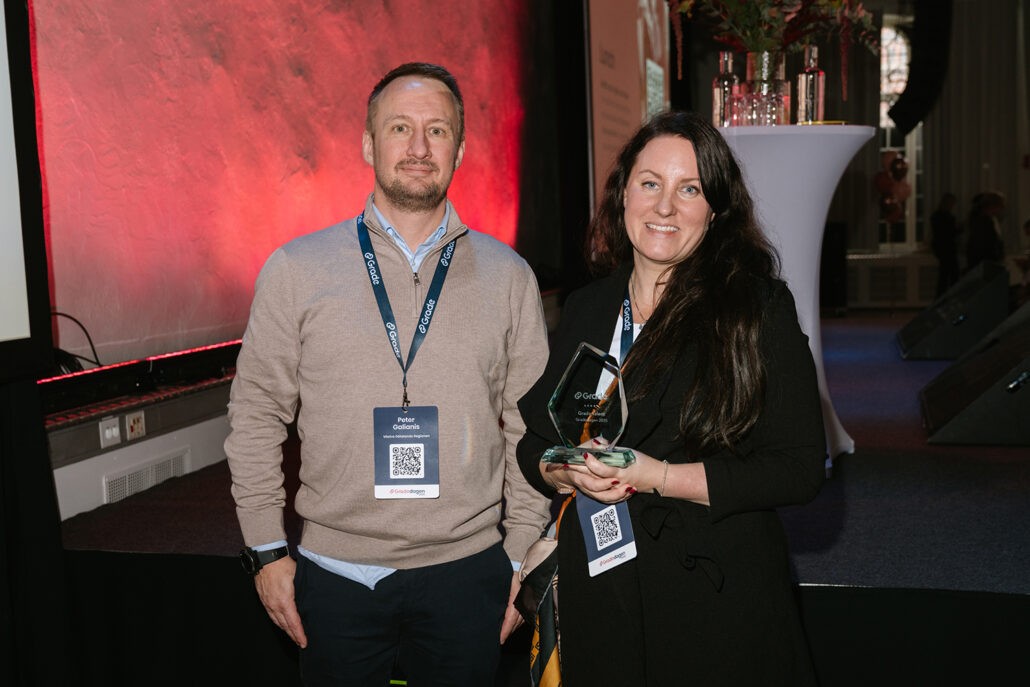
Västra Götaland Region named winner of this year’s Talent Award at the Grade Awards

Västra Götalandsregionen named winner of this year’s Talent Award at the Grade Awards

Fotograf: Paul Björkman

When Västra Götalandsregionen began its journey to implement a new skills management system, the goal was clear: to create a modern, user-friendly, and data-driven solution that simplifies everyday work for both employees and managers.

One year later, they stand as the winners of the Grade Talent of the Year Award—and have simultaneously completed one of the most extensive Grade implementations ever carried out in a Swedish region in such a short time.

“We are very happy to receive this award. And we are very satisfied with the system—but above all, we see that our users are happy. It’s rewarding to work with a system that is appreciated and used in everyday work.”

– Linda Schultz Forsberg, System Manager, Västra Götalandsregionen

Clear direction, shared goals, and an agile way of working

When the project implementation began in 2023, there was a shared and clear vision: the system would be on-premises, automated, centrally managed, and easy to use—while also being sustainable in the long term from a governance and system management perspective.

“What was crucial was that we early on established a clear purpose, shared goals, and a realistic timeline. That provided a stable framework to work within and became one of our key success factors.”

– Linda Schultz Forsberg, System Manager, Västra Götalandsregionen

The project team worked in an agile way, involving the right expertise from HR, IT, and the business units—and breaking the implementation down into clearly defined phases. The work involved listening to and incorporating needs from the organization and addressing any obstacles along the way. Grade recommended starting with the performance review, which quickly proved to be an effective first step in a phased rollout.

‘The performance review is something everyone is familiar with. It made the transition into the digital environment much easier.’
— Tobias Ågren, System Manager


Automation and master data – the foundation for long-term system management

A key success factor was the early decision to involve system management and IT from the very start of the project.

This is the first time we’ve been involved from the beginning. It has made everything more reassuring for users—and created a structure that will stand the test of time.’
— Tobias Ågren, System Manager

They established a robust master data management framework and integrated Grade with other systems within the region and with the Swedish National Board of Health and Welfare. The high level of automation ensures that:

  • roles and skills are updated automatically
  • managers receive the right information immediately
  • data follows employees throughout their journey
  • administrative work is dramatically reduced
  • users benefit from a seamless experience
  • systems are built on the same data, with a single source of truth that propagates across all platforms

‘Automation saves an enormous amount of time in the long run. Once everything is flowing, it just runs smoothly.’
— Peter Galianis, System Manager


A large-scale transformation journey driven by clear and effective communication

Västra Götalandsregionen is one of Sweden’s largest employers. Successfully delivering an implementation of this scale—covering 52,000 employees—required a strong and consistent focus on communication, stakeholder alignment, and shared ways of working.

Throughout the project, the project team carried out extensive internal communication efforts. These included regular meetings across the region’s 19 administrations, the establishment of HR networks with super users, weekly newsletters providing updates and roadmap visibility, FAQs addressing the most common questions to create reassurance, and open dialogue forums to encourage discussion and exchange.

At every stage of the rollout, designated representatives from the business were actively involved in testing and implementation. This work was led jointly by the project managers and system management, ensuring close collaboration between the project and long-term operations.

‘We have worked far more with communication than a System Manager normally would. It has been a key factor in bringing users along.’
— Linda Schultz Forsberg

The fact that adoption was voluntary—with no mandatory usage requirements—also meant that each administration had the opportunity to plan its own rollout. This posed a challenge for the project, as the team needed to clearly demonstrate how the system created value in order to encourage administrations to prioritize implementation and provide a compelling incentive to adopt it.

The advantage was a high level of engagement and the successful involvement of motivated representatives across all administrations who actively advocated for the system. This made the success even greater—we carried out the work together with the administrations.

Usage increased rapidly, driven by the clear value delivered and by the system itself meeting WCAG accessibility standards and being perceived as user-friendly.


The result: A data-driven region built on shared ways of working

In less than two years, Västra Götalandsregionen had:

  • implemented digital support for development reviews across the entire organization
  • established shared competency profiles covering employee roles, professional roles, and learning and training across the organization
  • achieved a unified approach to skills and competency management
  • enabled skills gap analyses and competency planning from day one of system go-live
  • built a stable, modern, and automated system framework

“Bringing an organization of this size into a single, shared system in under two years is unusual. It shows what is possible with skilled people, clear governance, and the right ways of working.”

– Linda Schultz Forsberg, System Manager, Västra Götalandsregionen

What’s next?

Today, the system is used across 18 of 19 administrations and by 82% of Västra Götalandsregionen’s employees. The current focus is on increasing adoption, enriching the system with additional skills data, and leveraging effective ways to analyze, forecast, plan, and follow up on skills and development at the individual, team, and organizational levels.

“Now that we have both the data and the technology in place, we have every opportunity to generate reports and conduct gap analyses.”
— Peter Galianis

Eskilstuna Municipality Enhances Its Support with New Digital Guide Portals

Eskilstuna Municipality Enhances Its Support with New Digital Guide Portals

Industry

Municipality

Office

Eskilstuna

Employees

Over 11 000

Customer since

2021

“We’ve eliminated the need for old quick guides and paper, and employees can find everything they need directly on their mobile phones. It saves time for both us in support and for the organisation as a whole.”

Adrian Toma, System Administrator, Eskilstuna municipality

Background

Eskilstuna Municipality has been using Grade as an internal learning platform since 2021. Within the Social Care Administration, there was a strong need to modernize and streamline how employees accessed quick guides, training materials and support documents. Previously, this information was scattered across the intranet, difficult to keep updated, and required significant manual work from both system administrators and staff.


As a system administrator, Adrian Toma saw an opportunity to improve the user experience by creating a more accessible, user-friendly, and mobile-adapted solution—built directly in Grade.

The Solution: A Tailored Guide Portal – Available as an App

During spring 2025, Adrian developed an entirely new digital guide portal in Grade, which was launched for all employees in March. The portal functions as an interactive learning environment and digital quick-guide, fully adapted to the municipality’s visual identity and workflows.


Key Features

  • Clickable guides with images, videos, and step-by-step instructions
  • Mobile-friendly interface – available via an app on employees’ work phones
  • Smart contact options and an FAQ based on common support requests
  • E-services for permissions and orders
  • Ability to link directly to the correct guide in support situations
  • Integrated from the municipality’s intranet and available as an app via the corporate portal

The portal has become part of the employees’ daily work and is also used in onboarding training and competence centers. The solution has since been scaled to additional systems—three guide portals have been completed and a fourth is under development.


Impact: Reduced Pressure on Support  

The results have been clear. With all information gathered in one place—kept updated and easily accessible—Eskilstuna Municipality has seen a significant decrease in support requests. Adrian highlights that Grade not only enabled a tailored structure adapted to the organization’s language, needs, and processes, but also provided a stable and flexible platform that makes future scaling simple. According to Adrian, Grade delivered a solution combining user-friendliness, quality, and operational understanding in a way that external vendor guides could not match.

 
Additional Results
  • High usage frequency – around 100 daily visits
  • 4,230 employees within social care have access to the portal
  • Improved onboarding as the portal is used in introductory training
  • Environmental and time savings – no printed quick guides
  • Flexible and fast updates when systems or processes change

“The work now continues with building additional guide portals for more systems within the municipality, with the long-term goal of consolidating all system support training and quick guides into a unified, modern, and easy-to-use digital structure.”

Adrian Toma

Arkivverket Modernizes Recruitment with Grade

Arkivverket Modernizes Recruitment with Grade

Industry

Stat

Head Office

Oslo, Norge

Employees

300+

Client Since

2014

“We were sitting in the back seat. There was too much variation in how things were done and too little data to understand what worked.” 

Behrooz Malaekeh, Fagansvarlig Rekruttering og Arbeidsgiverprofilering, Arkivverket

Background

For over a decade, Norway’s National Archives, Arkivverket, has partnered with Grade to support its HR and recruitment processes. When Behrooz Malaekeh joined the organization in 2023, after a decade in the private sector, he quickly became the driving force behind a new era of HR modernization and data-driven recruitment. 

Coming from the private sector and a different environment, Behrooz quickly adapted to the public sector’s distinct rhythm and the structured approach that defines its way of working. Still, the mission-driven nature of Arkivverket resonated deeply with him. 
“As I often say, it’s not about making as much money as possible anymore. It’s about what we give back to society. This makes the work meaningful and motivating for me.” 

With roughly 300 employees, Arkivverket had a strong foundation but needed modern HR tools and a clear recruitment strategy to improve efficiency and candidate experience. 

Challange

When Behrooz joined, HR worked largely reative on filling each role. With hiring managers taking the lead in most recruitments, candidates naturally experienced some variation in how processes and timelines were handled. 
“We were sitting in the back seat. There was too much variation in how things were done and too little data to understand what worked.” 


Key challenges included: 

  • No structured feedback from candidates 
  • Reference checks were conducted manually, leaving room for a more efficient process. 
  • Lack of data insights and reporting 
  • Limited employer branding or candidate communication 
  • Difficulty attracting candidates for technical roles like IT 

Behrooz saw an opportunity to rebuild the HR function into a proactive, strategic partner that could lead recruitment with consistency, data, and better tools. 

The Solution

Behrooz and the HR team introduced a modern ecosystem of Grade products and complementary third-party tools, integrated into every stage of the recruitment process. 


Grade  Solutions Used 

  • Jobadmin for centralizing recruitment workflows and improving collaboration between HR and hiring managers 
  • Refensa for digital reference checks, enabling a hybrid approach suited to the organisation’s needs 
  • Realcruit to collect candidate feedback and identify process improvements 
  • Gobi Stories (third-party) for employee storytelling and showcasing workplace culture 

“We looked for quick wins,” Behrooz explained. “Things like feedback, data, and references could be digitized right away. It helped us improve both quality and efficiency.” 


Arkivverket also introduced several creative and cost-effective initiatives: 

  • Podcasts for each job posting, hosted on Spotify, to highlight leaders and workplace culture 
  • In-house social media campaigns designed with Canva and run on Meta platforms, cutting costs dramatically 
  • LinkedIn Recruiter integration via Joblogia API to automate direct job advertisements 

Collaboration with Grade’s Customer Success team, especially Christoffer, was a key part of the journey. 


“Grade has been a partner in crime for us,” Behrooz said. “Christoffer really listened first before suggesting solutions. It wasn’t about showing off features but understanding our problems and helping us reach our goals.” 

“Grade has been a partner in crime for us” 

The results

Within a year of implementing these changes, the impact was measurable and substantial: 


  • 61% increase in total applicants year-over-year 
  • 146% increase in applicants for IT and hard-to-fill roles 
  • Faster and more consistent candidate communication 
  • Stronger collaboration between HR and hiring managers 
  • HR became a central strategic driver instead of a support function 

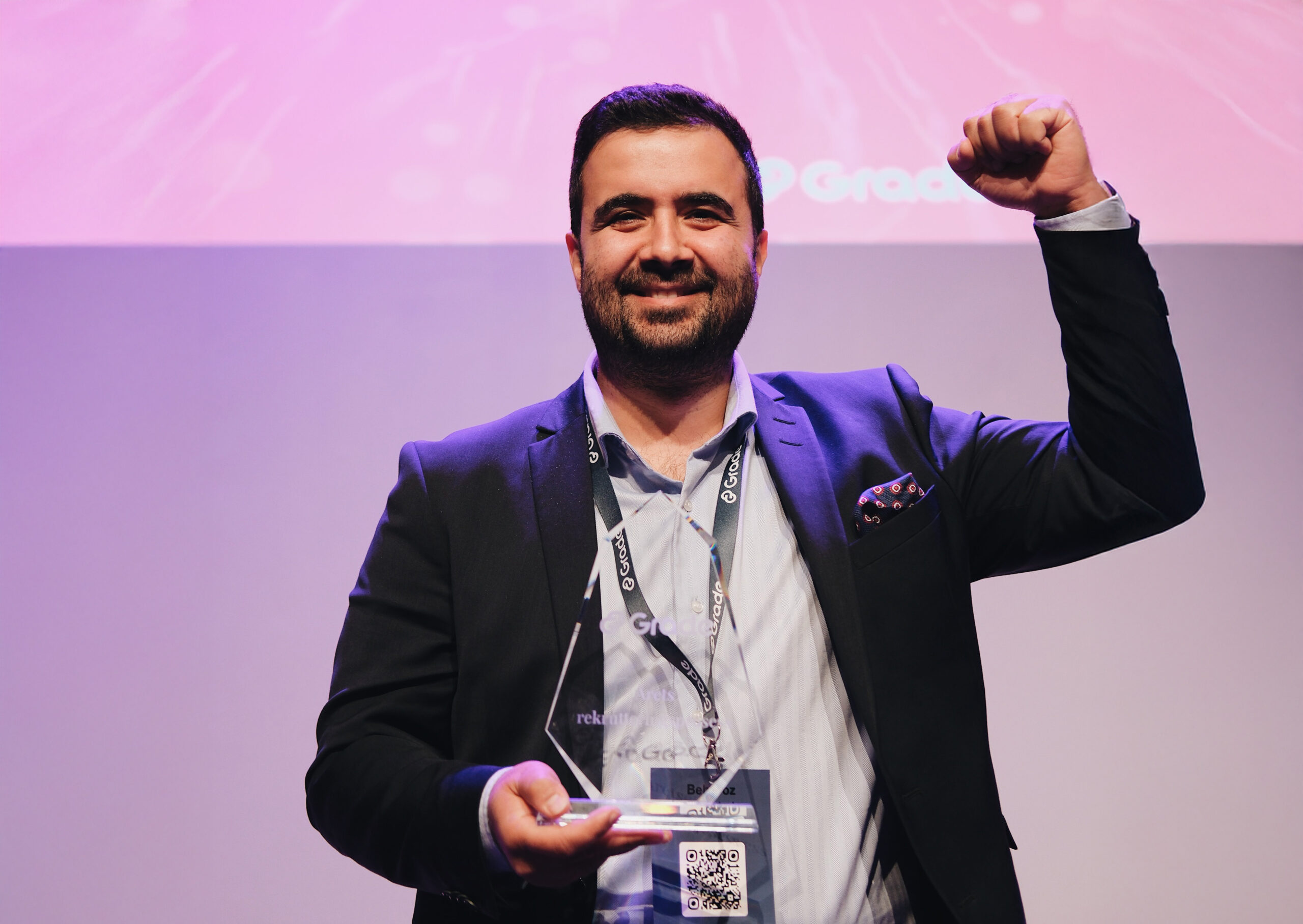
The team’s efforts culminated in Arkivverket winning the Best Recruitment Award at Grade Day 2025, recognizing their innovation in public-sector hiring. 

“It was a shock, honestly,” Behrooz said. “We had just focused on doing recruitment better – using data, insights, and creativity. The award was a sign that our work had made an impact.” 

Behrooz Malaekeh, Gradedagen 2025, Arkivverket

Cultural Impact

The transformation extended beyond process improvement. It changed how recruitment was viewed within Arkivverket. 


“It’s great to see that leaders now view recruitment as a dedicated professional area, not just an administrative process,” Behrooz shared. 
“They’ve realized how much impact HR can have on achieving organizational goals, if we actually can get a hold of candidates we previously could not.” 


Behrooz credits the HR team for embracing change and adopting new tools quickly. 
“We can buy as many tools as we like, but what matters is culture and collaboration. Our team has been exemplary in that.” 

“Employer branding is not a switch you can just flip on. It’s about systematic work over time. And we’re going to continue to do that.”

What’s Next

The next phase for Arkivverket focuses on deeper strategic work: defining a clear Employer Value Proposition (EVP)and strengthening long-term employer branding. 
“The work ahead is more behind the scenes now,” Behrooz explained. “We’ll look closely at candidate satisfaction through Realcruit and analyze NPS data to keep improving.” 


While future efforts may not yield new awards immediately, Behrooz believes the ongoing impact will speak for itself. 
“Employer branding isn’t a switch you can turn on overnight. It’s about systematic work over time. That’s what we’ll continue doing.” 

Conclusion

Arkivverket’s journey with Grade shows how even in the public sector, innovation and collaboration can drive measurable change. By combining digital tools, data-driven insights, and human understanding, Behrooz and the HR team have redefined what modern recruitment looks like, turning a once traditional process into a source of strategic value. 

Securitas ensures quality in high-volume recruitment

Securitas ensures quality in high-volume recruitment

Industry

Security services

Head office

Stockholm, Sweden

Employees

10 000+

Customer since

2021

“Grade’s reference-checking tool is like a colleague who’s never sick, never on vacation – and who works around the clock.”

Marcus Lundqvist, Talent Acquisition Manager, Securitas Sweden

Background

Securitas is one of the world’s largest security companies, with thousands of hires each year in Sweden alone. Most of the roles – security guards, public order guards, protective security officers, store detectives and similar positions – are covered by collective bargaining agreements, often involve direct contact with customers, and are frequently time-critical.


“We recruit around 2,000 people per year, of which 1,300–1,400 are for the summer season. It’s a massive undertaking – and it requires structured and sustainable system support,” says Marcus Lundqvist.


With more than 50,000 applications annually, Securitas needed an efficient way to manage reference checks. This is a critical step in the security industry – and it must be both legally sound and scalable.

Solution

In 2021, a pilot project was launched using Grade’s digital reference-checking tool. The results were so positive that the tool was quickly rolled out across the entire organization. With an integration to the ATS system SmartRecruiters, everything is automated: when a candidate reaches the reference stage, a request is sent to the tool and the referees are invited.


“We want our reference checks to be competency-based, objective and standardized. Grade’s tool gives us exactly that – and more,” says Marcus.

The tool enables reference checks to be conducted around the clock, which has been crucial in a high-volume recruitment environment. Referees respond to the questions via mobile, often outside office hours, and recruiters receive a notification when everything is completed.


“It frees up time. Time that our recruiters can instead spend on value-adding activities. The tool does the job – structured, reliable and fast.”

Result

With Grade’s reference-checking tool, Securitas has created an efficient and quality-assured process for one of the most critical steps in its recruitment.


  • Approximately 4,000 working hours saved per year – equivalent to more than two full-time positions
  • 15 minutes – average response time from referees
  • 1.9 completed references per candidate
  • 136% hit rate – more references than requested
  • 96% verification via BankID
  • 50% of references completed outside office hours
  • 65% respond via a mobile device

“It’s hard to get a job with us – and it should be. That’s why it’s crucial that our reference checks meet the absolute highest standards,” says Marcus.


Securitas has also been an active partner in the development of the tool and values its collaboration with Grade.

“We see it as a joint effort. Grade is responsive – and we have truly developed the solution together.”

Marcus Lundqvist

Do you have any questions about our products and services?

Jollyroom streamlined its entire recruitment process

Jollyroom streamlined its entire recruitment process

Industry

E-commerce / Consumer Products

Head office

Gothenburg, Sweden

Employees

400+

Customer since

2023

“We save time, improve the candidate experience, and create a smoother process – all within one single flow”

Annett Hanna, Head of HR, Jollyroom

Background

Jollyroom is the largest e-commerce company in the Nordics specializing in products for children and families, operating in six European countries. With hundreds of employees and a recurring need for high-volume recruitment – especially ahead of peak seasons and holidays – a fast and accurate recruitment process is crucial.


To maintain both quality and speed, the HR team chose to modernize its ways of working. The goal: a comprehensive solution that simplifies every step – from application to reference checks – while also strengthening the candidate experience.


“We work strategically with talent supply, but also with being an attractive employer. That means the recruitment journey has to deliver all the way through,” says Head of HR Annett Hanna.

Solution

Jollyroom chose to implement Grade’s ATS – integrated with Grade’s digital reference-checking tool – to create a cohesive and user-friendly recruitment flow.
 

“I can initiate a reference check directly from Grade’s ATS with a single click. Not having to copy and paste between systems saves an incredible amount of time, especially when we’re recruiting at scale,” says Annett.


The systems have also improved internal communication. All information is stored centrally, making it easy for colleagues to step in when needed. Message templates and AI features are used to create and manage job ads and maintain a consistent, professional dialogue with candidates.


“Even if someone on the team is out sick, everything is documented. That creates security for us and a better experience for candidates.”

Result

With Grade’s ATS and reference-checking tool, Jollyroom has created a smooth and professional recruitment experience, both internally and externally.

  • Time savings at every step of the process
  • Fewer errors and higher-quality documentation
  • Better overview for recruiters and hiring managers
  • Stronger candidate experience and clearer communication

“The biggest gains are increased accuracy, time savings, and better structure. But also that candidates get a simple and seamless journey from first contact to employment.”


To attract talent, Jollyroom also works with success stories on social media and AI-supported job ad creation. The goal is to build a workplace where development is possible for everyone, regardless of where they start.

“I started as a recruiter seven years ago and am now Head of HR. That says something about the culture here – and it’s something we’re proud of.”

Annett Hanna

Do you have any questions about our products and services?

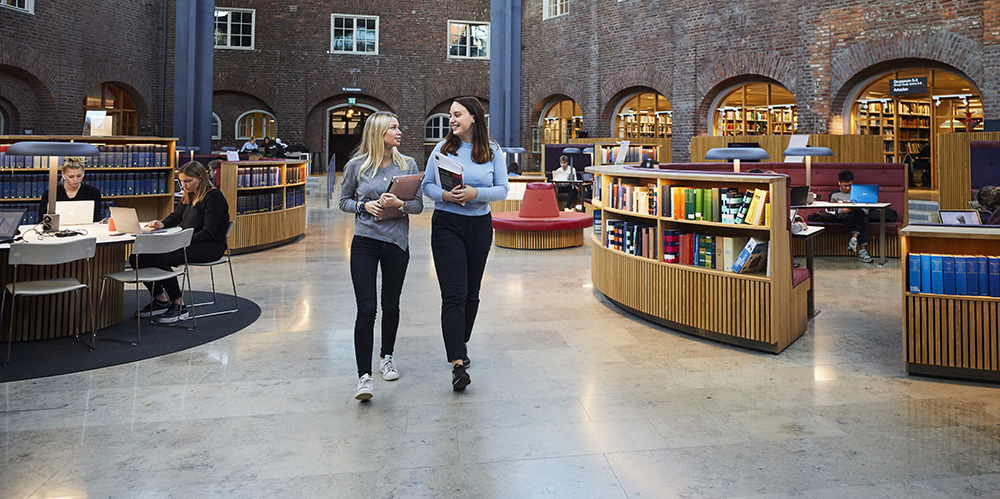
KTH strengthens gender-equal recruitment through structure, digitalization, and an enhanced candidate experience

KTH strengthens gender-equal recruitment through structure, digitalization, and an enhanced candidate experience

Industry

Academia

Head office

Stockholm, Sweden

Employees

5 000+

Customer since

2014

“Our candidates are also our ambassadors. That’s why the experience throughout the entire recruitment journey is incredibly important – and we’ve made significant progress with Grade’s recruitment tool.”

Maria Salling, Head of Recruitment and Employer Branding, KTH

Background

KTH is one of the world’s leading technical universities and an attractive employer – both in Sweden and internationally. With high standards for competence, transparency, and gender equality, the recruitment process must meet equally high expectations.


The Swedish government has set clear requirements for all universities to promote sustainable development and gender equality. For KTH, this has become a natural part of its strategic HR work – particularly in connection with recruitment for senior academic positions.


“At the highest academic levels, we still see a gender imbalance. That’s why we actively work to identify female candidates, especially when appointing professors,” says Katarina Bröms from the HR department for faculty recruitment.


To support this work, KTH has established an Equality Office and works systematically with competence mapping, attraction initiatives, and structured assessment support. At the same time, the university receives a high volume of international applications – placing additional demands on clear communication and smooth candidate management.

Solution

Since 2014, KTH has managed its entire recruitment operation through Grade’s ATS. Through digitalization, the university has streamlined what was previously a highly manual process, where candidates had to submit multiple copies of applications and publications in paper format.


“It was unsustainable – both for the candidates and for us. Now everything is digital, legally secure, and easy to manage,” says Katarina.


System support has become particularly important in international recruitments. KTH appoints external reviewers from all over the world, and with Grade’s platform, it is easy to grant them access to the necessary materials, regardless of location.


To create as inclusive a process as possible, KTH also works with competency-based recruitment (CBR) through a dedicated module in Grade’s tool – built on research by Dr. Malin Lindelöw. HR professionals, managers, and committees are trained in structured interview techniques and the fundamentals of CBR.


“With Grade’s CBR module, our processes become both more structured and fairer. It strengthens our work with diversity and equal treatment,” says Maria Salling.

Result

Thanks to Grade’s recruitment tool, KTH has established a unified and professional workflow – one that both simplifies and improves the process. The candidate experience has been strengthened, internal ways of working have been aligned, and managers’ administrative workload has been reduced.

  • Digital management of all applications and assessment documentation
  • Seamless access for international reviewers
  • Efficient CBR process and strengthened gender equality efforts
  • Support for employer branding through a positive candidate experience


“Our employer brand is more important than ever. We work hard to ensure that all candidates – regardless of background – receive a fair, inclusive, and professional experience,” says Maria.


To ensure a consistent approach, KTH also launched an internal recruitment network, where HR functions from the different schools share experiences and build a common process.

“We share best practices, develop together – and build a recruitment model that will stand the test of time.”

Margita Nilsson, Recruitment Officer

Do you have any questions about our products and services?

Region Halland streamlined its recruitment operations and successfully engaged the entire organization from day one

Region Halland streamlined its recruitment operations and successfully engaged the entire organization from day one

Industry

Public Sector / Healthcare

Head office

Halmstad, Sweden

Employees

7 900+

Customer since

2019

“We implemented a completely new system across the entire organization – and everything has gone so smoothly.”

Åsa Daugaard, HR Specialist, Region Halland

Background

Region Halland is responsible for 370 different professions and nearly 8,000 employees – and carries out a large number of recruitments each year. However, its previous recruitment tool could no longer keep up. HR and managers spent significant time on manual administration, and the systems did not communicate seamlessly.


When the region decided to change its recruitment system, the objective was clear: it had to be simple, intuitive, and time-saving – for both managers and HR. The choice fell on Grade’s ATS, a system already successfully used in other large organizations.


“We wanted something that truly works in a complex organization – and that made Grade’s ATS the obvious choice,” says HR Specialist Helena Eberhardsson-Nagy.

Solution

Grade’s recruitment tool was implemented across the entire organization simultaneously. With strong internal anchoring, open training sessions, and a clear communication plan, the transition was completed without disruption – despite its scale.


“Even though not all managers attended the training, they quickly got up and running in the system. It’s that intuitive,” says Helena.


A major success factor was the integration with the HR system Personec. This ensures that contact details, user accounts, and organizational structures are always kept up to date – automatically.


“We save a tremendous amount of time and avoid unnecessary manual work. And most importantly – everything is always accurate,” Helena explains.

Result

Today, Region Halland has a recruitment workflow that is both structured and time-efficient. Managers and HR have access to a clear overview, smooth feedback functions, and support at every step of the process.

  • More than 300 managers use the system
  • Standardized responses, candidate status sorting, and interview scheduling simplify daily work
  • SSO login and dedicated support save time for everyone

“It’s important that a system acts as support – not as an obstacle. Grade’s ATS truly makes the job easier, both for us and for candidates,” says Helena.


Out in the organization, the system has also received positive feedback. At the hospitals, where recruitment processes are often large and run in parallel, features such as interview scheduling and candidate overview are particularly appreciated.

An IT System That Matches the Recruitment Process

Region Halland is proud of its well-defined recruitment process – something that is now fully supported by the digital system.


“Previously, our process was far ahead of the IT support we had. Now they go hand in hand,” says Helena.


Communication around job advertisements takes place in collaboration with the communications department, ensuring consistent language, a strong employer brand, and the right tone toward candidates.


“It’s a form of quality assurance. We want to create a certain feeling in our job ads – and now we have the right tools to do that,” says Per Karlsson, Financial Controller.

Conclusion

With Grade’s recruitment tool, Region Halland has moved from manual processes to a digital workflow where every step is well thought out and user-friendly. The tool is now a natural part of both day-to-day operations and long-term strategy.

“We’re very happy that we made the switch – it saves time, creates structure, and our managers are satisfied. It was exactly what we needed.”

Helena Eberhardsson-Nagy

Do you have any questions about our products and services?

Lime Technologies built a structured approach to development – and increased employee engagement

Lime Technologies built a structured approach to development – and increased employee engagement

Industry

SaaS / Software Development

Head office

Lund, Sweden

Employees

400+

Customer since

2017

“Grade’s Talent products create employee engagement and truly support managers in their day-to-day work.”

Nils Olsson, CEO, Lime Technologies

Background

When Lime Technologies accelerated its growth in 2016, the company needed to sharpen its internal processes to manage increasing complexity. New talent was recruited directly from universities into the company’s popular trainee program, and the need for structure around learning and development quickly became clear.


Younger employees were asking for continuous feedback and clear development goals. At the same time, senior colleagues were calling for greater clarity around roles, expectations, and career paths.


The company was strong in tracking sales-related KPIs – but personal development was often handled informally and irregularly. In many cases, goals were forgotten between performance reviews. And when managers changed roles, there was no consolidated documentation to rely on.

Solution

Lime implemented Grade Talent in 2017 – initially within the sales organization, and then gradually across the entire company. The focus was on creating structure: digital performance reviews, clear goal management, and visible career paths.


Together with Grade, Lime conducted a comprehensive competency mapping initiative. All roles were defined with associated competencies and development opportunities – and launched in English to support operations in Sweden, Norway, Finland, and Denmark.


The system was also integrated with Lime’s HR system, minimizing manual administration and ensuring that organizational changes and new hires were handled smoothly.


“It was important for us to create a common structure – regardless of country or department. Now we have a unified language around development and career growth across the entire company,” says Nils Olsson.

Nils Olsson, CEO, Lime Technologies

Result

With Grade Talent, Lime has established a digital structure that drives engagement, clarity, and continuity. Both new and experienced employees now have a clear overview of their development opportunities – and understand the steps required to progress along the career path.


  • Goals and activities are documented and followed up digitally

  • Immediate transparency when managers change roles

  • Clear expectations in both directions – from the company and the employee

The role descriptions have not only strengthened internal alignment – they have also improved the recruitment process. Clearer requirement profiles ensure that the right candidates are attracted from the outset.


Today, Grade Talent is a natural part of Lime’s daily operations – and a strategic tool for supporting growth while maintaining culture and quality.

“We can now work strategically with talent supply. We see a clear difference in both quality and engagement since implementing Grade.”

Nils Olsson

Do you have any questions about our products and services?

Wellbeing Services County of Central Finland Built a Unified and Effective Onboarding Model with a Digital Solution

Wellbeing Services County of Central Finland Built a Unified and Effective Onboarding Model with a Digital Solution

Industry

Social and Health Services, Rescue Services

Head office

Jyväskylä, Finland

Employees

13 000

Customer since

2010

“We have an obligation to provide sufficient onboarding, and every new employee has the right to receive adequate and high-quality onboarding to the organization and their duties.”

Julia Rinne, henkilöstöasiantuntija, Wellbeing Services County of Central Finland

Background

The Wellbeing Services County of Central Finland wanted to bring more clarity and quality to its onboarding process. Previously, onboarding had been carried out in a fragmented way: there was no unified model or digital tool in use, and the quality of onboarding varied greatly between units.


The need for renewal became evident when the opportunity arose to participate in a pilot for a new kind of digital onboarding solution. The pilot began in 2018 in somatic inpatient wards and quickly expanded to other sectors. Today, the solution serves as the county’s central onboarding platform.


HR Specialist Julia Rinne acts as the main administrator of the software and is responsible for developing onboarding practices. In her experience, the digital onboarding solution has brought structure, continuity, and traceability to an area that previously was often uncoordinated and inconsistent.


Solution: Digital Onboarding Brings Structure and Consistency

The Wellbeing Services County of Central Finland adopted a digital onboarding solution to standardize onboarding content and practices. With the solution, onboarding can now be planned individually based on each employee’s prior experience, while ensuring that everyone receives a sufficient overview of the organization’s operating principles.


The onboarding platform, deployed organization-wide, enables:


  • Structuring onboarding content into clear stages, allowing new employees to start familiarizing themselves even before their first working day
  • Recognizing and considering prior competence, making onboarding more personal and meaningful
  • Using ready-made templates that support the adoption of shared organizational practices


A tool to support compliance and effective leadership

The digital onboarding solution is not only a practical aid—it also supports the employer’s legal obligations. Through documentation, it ensures that onboarding has been properly conducted and that there is clear evidence of its completion.


In addition, the solution functions as a leadership tool:


  • Supervisors can monitor onboarding progress in real time

  • Reporting features enable data-driven management at both unit and organizational levels

  • The quality and coverage of onboarding can be reviewed quarterly or during broader development reviews

Long-Term Development and Commitment

At the Wellbeing Services County of Central Finland, it is well understood that implementation alone is not enough. Embedding the process into everyday work is ongoing, and the role of supervisors is crucial. When supervisors recognize their responsibility for onboarding, the solution becomes a natural part of daily operations and delivers long-term benefits.


Deployment has required time and repetition, especially in large units. Old practices—such as intensive three-day onboarding periods—have had to be re-evaluated in favor of continuous onboarding and development throughout an employee’s career.


Support has been provided in many forms: training sessions, guides, and consultation through various channels. Commitment is most visible where onboarding has become an integral part of leadership, everyday operations, and organizational learning.


Results

The introduction of the digital onboarding solution has brought visible and measurable results for the Wellbeing Services County of Central Finland. One of the most significant changes has been establishing onboarding as a natural part of everyday management. Supervisors can now clearly and in real time track onboarding progress, which strengthens their leadership and supports employees during their early employment.


The feedback has been overwhelmingly positive. Supervisors describe the solution as easy to use and illustrative. Onboarding is no longer tied to paper forms or scattered instructions—instead, it is clear, transparent, and systematically managed. As a result, onboarding has become part of organized everyday operations, not a separate phase in the employee journey.


The organization has also succeeded in strengthening internal consistency. Although different units have their own needs and focus areas, shared onboarding structures have provided a solid foundation that each unit can complement with its own specific content. This structure also makes it easier for new employees to orient themselves, as the onboarding process follows a familiar pattern regardless of the unit.


Underlying it all is the understanding that good onboarding is not just initial support—it’s a key factor in employee wellbeing and employer branding. High-quality onboarding gives employees confidence, clarifies the organization’s culture, and lays the foundation for long-term engagement.

“There’s no going back to the old days – the search for lost paper onboarding forms and the difficulty of tracking progress are now things of the past.”

Julia Rinne

Do you have questions about our products and services?


Distansinstitutet built a digital learning experience that attracts thousands of participants and is growing rapidly

Distansinstitutet built a digital learning experience that attracts thousands of participants and is growing rapidly

Industry

Private Adult Education

Head office

Stockholm, Sweden

Employees

3 000+

Customer since

2019

“Together with Grade, we’ve created a concept that delivers a smooth and pedagogical participant experience – from purchase to certification.”

Marcus Lindh, CEO and Founder, Distansinstitutet

Background

When Distansinstitutet was founded in 2018, the ambition was clear: to offer flexible, digital vocational training tailored to modern working life. No fixed schedules. No classrooms. Just access to leading subject-matter experts – and a truly great digital experience.


“We saw a growing demand for private education where participants control their own time and place of study. To succeed, we needed a seamless digital learning experience – and a platform that could support it,” says Marcus Lindh.


After comparing several alternatives, the choice fell on Grade LMS – a platform that combined pedagogical flexibility with user-friendly technology.

Solution

With Grade LMS in place, Distansinstitutet began building its courses together with subject-matter experts directly in Grade’s authoring tool, Composer. Strong emphasis was placed on navigation, pedagogical balance, and engaging content.


“Since our participants study entirely online, we focus heavily on interactive exercises and dynamic feedback. That makes learning active – and measurable.”


The courses include a mix of videos, screen recordings, interviews, and interactive elements. After completing a course, participants receive a diploma and have the opportunity to become certified through a practical assignment assessed by subject-matter experts.


The certification serves as tangible proof of both theoretical knowledge and practical application – something highly valued by employers.

Marcus Lindh, CEO and founder, Distansinstitutet

Result

With an accessible learning format and strong content, Distansinstitutet has quickly become one of Sweden’s most popular providers of digital vocational education. In the coming year alone, 10 new courses are planned.


Participant feedback provides clear validation:

  • 4.41/5 average course rating

  • 90% give the learning platform the highest rating

With a digital learning platform that matches its ambitions, Distansinstitutet has built a scalable model that puts the participant at the center – and continues to grow at record speed.

“We continuously develop new courses based on labor market needs – and our collaboration with Grade is an important part of that journey.”

Marcus Lindh

Do you have any questions about our products and services?

Kicks created a digital learning experience that drove sales

Kicks built a digital learning experience that boosted sales – with 1,500% growth in four weeks

Industry

Retail / Beauty

Head office

Stockholm, Sweden

Employees

2 500+

Customer since

2020

“By creating training based on what employees actually want, we’ve built a real appetite for learning. That’s the key to results.”

Mikael Andersson, former Nordic Training & Development Manager, Kicks

Background

At Kicks, store employees are not just sales associates – they are beauty experts, makeup artists, and skincare specialists. With a product range spanning hundreds of brands and thousands of products, continuous skills development is essential to provide every customer with the right guidance.


However, without a digital learning platform, training was time-consuming and inconsistently delivered. Follow-ups were sporadic, and there was no effective way to meet the growing need for education.


Kicks partnered with Grade to build a scalable solution – one where learning was based on employees’ needs, not the other way around.

Solution

With the help of Grade LMS, Kicks launched a new digital concept: Kicks Academy Online – A New Learning Experience. The focus was on short, engaging rapid-learning modules that employees could complete whenever and wherever it suited them.


“We asked them what they wanted, how they wanted to learn – and built something together with Grade. The result was a concept that people actually use,” says Mikael Andersson.


The impact was immediate: employees completed nearly 10,000 training sessions per month – entirely on their own initiative, without requirements from HR or managers.

Result

The effect was swift. Just four weeks after launch, Kicks saw a dramatic increase in sales. The goal had been ambitious – to triple sales compared to the same period the previous year. The results exceeded all expectations:

  • +1,500% sales compared to the previous year

  • +400% compared to the previous month

With a platform designed around employees’ everyday reality and intrinsic motivation, Kicks has created more than just a training initiative. They have built a learning culture that is visible in both the customer experience – and the bottom line.

“This proves that learning can be a direct growth engine – when done the right way.”

Mikael Andersson

Do you have any questions about our products and services?

Pirkanmaa Wellbeing Services County Invests in High-Quality Onboarding

Pirkanmaa Wellbeing Services County Invests in High-Quality Onboarding

Industry

Social and Health Care, and Rescue Services

Head office

Tampere, Finland

Employees

20 000

Customer since

2019

“A unified onboarding process supported by the Intro onboarding software is a step toward a better employee experience. By investing in onboarding, we also demonstrate appreciation for our employees”

Katariina Paavilainen & Marika Hoivassilta, Pirkanmaa Wellbeing Services County

Background

Developing the onboarding process is a practical part of implementing Pirkanmaa Wellbeing Services County’s strategy. One of the key goals of the strategy’s third focus area, “wellbeing employees,” is that staff are satisfied with their work, community, and opportunities. During the preparation phase, the digital Intro onboarding system was chosen as the permanent tool for onboarding across the entire organization.


The software will be introduced service line by service line throughout 2024–2025, with planning and piloting started in spring 2023.


Onboarding is built on human interaction, where Intro serves as a support tool that helps structure the process. Onboarding always happens “from person to person.” “A unified onboarding experience with Intro is a step toward better employee experience, and by investing in onboarding, we also show appreciation for employees,” reflect Paavilainen and Hoivassilta from the HR Development Services of Pirkanmaa Wellbeing Services County.


The goal of onboarding is to support employees’ competence, thereby improving workplace, patient, and client safety. High-quality onboarding enhances staff wellbeing, expertise, and safety. It is both a legal right for employees and a responsibility for employers. Good onboarding lays the foundation for smooth and safe work and introduces employees to the organization’s strategy, values, and culture.


Perehdytyksellä on myös vaikutuksia henkilöstön veto- ja pitovoimaan sekä sitoutumiseen. Sitoutunut henkilöstö tukee yksiköiden voimavaroja ja osaamisen kehittymistä.

Solution

The implementation of Intro began in the Social and Health Services divisions, which have the largest recruitment and personnel numbers. The rollout has been carried out in collaboration with various stakeholders and experts.


Pirkanmaa Wellbeing Services County created a general organizational onboarding program for introducing common and shared practices.


This guides employees into the organization and helps supervisors access key information. It also facilitates early employment-phase onboarding. “The red thread in creating and maintaining the general onboarding has been to help new employees and their supervisors. In addition, units have been involved in creating their own tailored onboardings in Intro,” explain Paavilainen and Hoivassilta.


Alongside the general onboarding, unit-specific and professional group-specific onboardings are built within Intro to best serve each unit’s needs.


The keys to success have been strong leadership support and commitment, clear division of responsibilities, and designated persons in charge. Effective internal communication, sufficient user support, and continuous follow-up have also played a vital role.


Results

Intro enables a more personalized and individualized onboarding experience. Onboarding is a critical part of the employee lifecycle after recruitment, shaping the new employee’s perception of their workplace and role.


Pirkanmaa Wellbeing Services County employs over 20,000 professionals in 600 different occupations. For example, onboarding for specialized doctors or trainees must be highly customized, as learning paths and prior experience vary greatly—factors that naturally influence onboarding needs.


When developing an organization’s onboarding process, it’s essential to recognize that achieving change requires the courage to do things differently. “Our strategy highlights onboarding development, which has played a major role in our HR work. When an organization has a clear strategic goal and guidance for onboarding, its development becomes a natural part of the whole. Without such guidance, onboarding can easily be neglected. This is concerning, as onboarding is a crucial part of an employee’s early career and significantly affects their entire work journey,” reflect Hoivassilta and Paavilainen.


Developing and investing in onboarding is one of HR’s most important responsibilities. “A well-planned and well-executed onboarding process supports employee engagement and wellbeing while improving organizational efficiency and competitiveness. It’s time to give more attention to this often-overlooked area,” say Paavilainen and Hoivassilta.

“Onboarding is a key part of competence development and leadership, and it also links to the recruitment process. On a larger scale, Intro clarifies and streamlines onboarding. It brings systematicity to the process, and documentation and reporting become easier. Reporting is important from the organization’s perspective.”

Marika Hoivassilta

Do you have questions about our products and services?

The Stockholm School of Economics sets out to become Europe’s leading institution for talent recruitment

The Stockholm School of Economics sets out to become Europe’s leading institution for talent recruitment

Industry

Education

Head office

Stockholm, Sweden

Employees

300+

Customer since

2018

“There’s an enormous difference with a digital process. With Grade’s ATS, we now have a centralized, GDPR-compliant solution – and more time to focus on what truly makes a difference.”

Linda Tarmet, HR Business Partner, Stockholm School of Economics

Background

As one of Europe’s leading business schools, the Stockholm School of Economics (SSE) has high ambitions – both in terms of academic quality and international attractiveness. An important milestone was reached in 2020 when all programs were transitioned to English, opening the door to a more global student and faculty body.


However, becoming truly competitive on the international academic stage requires more than a strong brand. It is about attracting and retaining world-leading researchers. Faculty recruitment is therefore a strategic core issue – one that SSE has chosen to address long-term through the Tenure Track model.


Tenure Track offers a clear career path: researchers are hired on a three-year contract, evaluated according to predefined criteria, and may then be offered extended contracts or permanent positions. This creates transparency and quality – and strengthens Sweden’s competitiveness in research.


“Tenure Track helps us attract the very best in each field. It’s a way to secure top expertise while offering a clear development journey,” says Linda Tarmet.

Solution

To successfully attract international faculty, SSE needed more than a compelling offer – they needed the right tools. Previously, the application process was manual, involving extensive email communication, printed documents, and scattered documentation.


With Grade’s recruitment tool, SSE implemented a fully digital solution. Applications, expert evaluations, and communication are now gathered in one place – GDPR-compliant and searchable.


“Previously, much of our time was spent on administration. Now we can focus on the strategic aspects – identifying, attracting, and evaluating the right candidates,” Linda explains.


Grade’s ATS was first introduced within the Professional Services department, where the response was immediately positive. Soon after, other departments followed. Even well-established academic networks began to see the value of a structured and transparent system.

Focus on Diversity and Equality

One of SSE’s biggest challenges is increasing the proportion of female researchers – particularly at the professor level. Diversity and gender equality are high priorities, but competition for top female talent is intense.


“We actively work to create career paths that attract women to our departments – and Tenure Track plays an important role in that,” says Linda.


Beyond recruitment, the school also works to ensure a consistent process across departments. Some have long experience with international recruitment, while others are newer to the field. With Grade’s tool, the process can be quality-assured and harmonized – regardless of where in the organization it takes place.

Result

Since implementing Grade’s ATS, recruitment has become smoother, faster – and more strategic. The HR department can dedicate more time to value-creating initiatives, while the candidate experience has improved.


“It was also important for us to be prepared for GDPR. With Grade’s tool, we have a system that is both secure and easy to use,” says Linda.


But it’s not only about efficiency. SSE is committed to maintaining its Swedish identity, even in an international context – something they see as a competitive advantage.

“Studying in Sweden is not just about education, but about culture and context. The Swedish aspect is important – and we look forward to continuing to recruit talents who want to be part of our journey.”

Linda Tarmet

Do you have any questions about our products and services?

Kungälv Municipality streamlines recruitment through digital reference checks

Kungälv Municipality streamlines recruitment through digital reference checks and a clear, structured candidate approach

Industry

Municipal Operations

Head office

Kungälv, Sweden

Employees

4000+

Customer since

2022

“We’ve gone from frustration to flow – digital reference checking saves us time, improves quality, and gives candidates a better experience.”

Mirja de Bruin, Recruiter, Kungälv Municipality

Background: 800 recruitments per year – and a process that must deliver

With approximately 500–800 recruitments annually, Kungälv Municipality places significant demands on its recruitment function. Since autumn 2021, Karin Blomster and Mirja de Bruin have led the municipality’s centralized recruitment initiative, aiming to create a professional, fast, and cohesive process.


“We manage a high volume of applications, and it has to be easy for both candidates and managers to navigate. Otherwise, we lose both time and experience,” says Mirja.


Grade’s recruitment tool quickly became the hub of this work. By digitalizing the recruitment flow – and integrating efficient reference checking – the municipality has taken a major step toward modern, data-driven talent supply.

The Solution: Standardized recruitment and digital reference checking in synergy

The municipality uses Grade’s recruitment tool for the entire recruitment process – from job profile to feedback. Particularly appreciated is the ability to easily share tasks with managers, manage multiple stages of the process clearly, and gather all documentation in one place.


“It’s very user-friendly, even for occasional users. The fact that managers can handle their parts in the system themselves has saved a lot of time,” says Karin.


In spring 2022, Grade Refensa was also implemented – a digital reference-checking tool seamlessly integrated into Grade’s recruitment system. Candidates initiate the process themselves, and referees can respond whenever it suits them, including evenings and weekends.


The result? In just eight months, 973 reference checks were completed – equivalent to saving half a full-time position in working hours.


“We no longer have to chase people by phone, and we can easily compare responses since all referees receive the same questions. It has improved both quality and accuracy,” says Mirja.

Karin Blomster and Mirja de Bruin
0 %

of all requested references are completed

0 %

of references are submitted outside office hours

0 %

of referees verify their identity using BankID

0 h

saved in total – equivalent to 24 full workweeks

The Impact: Time savings, improved candidate experience – and a stronger employer brand

In a short time, Kungälv Municipality has created a more professional recruitment experience – both for candidates and internally.


“It’s not just time we’re saving – we also get a comparable, secure, and GDPR-compliant process. That creates a stronger impression of us as an employer,” says Karin.


Talent supply remains a challenge – particularly in healthcare and social care. The municipality therefore works actively with employer branding, screening questions, and smart job advertising through Grade’s recruitment tool.


At the same time, there is a strong focus on supporting existing employees, offering skills development, and creating flexibility in everyday work. Kungälv Municipality is also experienced as a dynamic organization where collaboration is easy – not least because all professional groups operate under the same roof.


“We have short decision-making paths, a great deal of freedom – and a world-class manager. That’s why we truly enjoy our work,” Karin concludes.

“We place strong emphasis on the candidate experience – from first contact to fast feedback. It’s about making people want to apply again.”

Mirja de Bruin

Do you have any questions about our products and services?

Falköping Municipality strengthens its talent supply

Falköping Municipality strengthens its talent supply – with a digital recruitment workflow and a focus on ARUBA

Industry

Municipal Operations

Head office

Falköping, Sweden

Employees

3000+

Customer since

2021

“Talent supply is not just about recruitment – it’s about attracting, developing, retaining, and creating long-term sustainability. Grade’s recruitment tool helps us bring structure and direction to that work.”

Ulrika Sanfridsson Fritz, HR Consultant, Falköping Municipality

Background: 400 recruitments per year – and a need to work smarter

With more than 3,000 employees and hundreds of recruitments each year, the need for structure, quality, and speed is significant in Falköping Municipality. HR consultants Kajsa Linnarsson and Ulrika Sanfridsson Fritz work with everything from strategic initiatives to hands-on support for managers in operational recruitment.


Previously, parts of the process were based more on intuition than on competence, and there was no system support to help HR and managers work consistently. It became clear that the municipality needed a tool to standardize and quality-assure the process.


“We wanted to create a recruitment process where competence – not gut feeling – drives decisions,” says Kajsa.

The Solution: Competency-based recruitment and smart digital support

With Grade’s recruitment tool, Falköping Municipality has taken a clear step toward a more systematic and data-driven way of working. Particularly appreciated is the competency-based recruitment (CBR) module, which provides managers with ready-made question sets and structured documentation for interviews and reference checks.


“The CBR support enables our managers to conduct higher-quality interviews – and feel confident that the process is fair,” Ulrika explains.


The tool is considered user-friendly even for occasional users. Having all steps – from job profile to feedback – gathered in one system has made it easier to maintain oversight and support managers throughout the process.


“It’s easy to track candidate status, see when a manager needs support, and handle everything from job ads to documentation in a professional way,” says Kajsa.

Ulrika Sanfridsson Fritz and Kajsa Linnarsson

The Impact: A professional system – and a strategic framework for the future

In addition to streamlining recruitment, Falköping Municipality has long worked according to the strategic ARUBA framework – Attract, Recruit, Develop, Retain, and Exit. In 2024, ARUBA was integrated into the municipality’s multi-year strategic plan and elevated to both executive and political levels.


“Having ARUBA embedded in our overarching governance documents is a major step. It gives us a shared structure to rely on – and creates space for long-term development,” says Kajsa.


In practice, this means different focus areas are prioritized depending on operational needs:

  • Within healthcare and social care, the focus is on attraction
  • In other areas, development and retention are prioritized
  • Work environment, well-being factors, and career paths are high on the agenda

A Recruitment Tool That Enables Real Change

Today, Grade’s recruitment tool is a central part of the municipality’s efforts to strengthen its employer brand and ensure that the right skills end up in the right roles. The tool’s accessibility, structure, and intuitive support are highly valued by both HR and managers.


Previously, parts of the process were based on gut feeling rather than competence, and there was no system support to help HR and managers work consistently. It became clear that the municipality needed a tool that could help standardize and quality-assure the process.


“We wanted to create a recruitment process where competence – not gut feeling – drives the decision,” says Kajsa.

An organization where no two days are the same – but the direction is clear

For Kajsa and Ulrika, working with talent supply is both broad and varied. One day focuses on operational recruitment matters, the next on driving change at a municipality-wide level. But with a shared language, digital support, and a framework that clarifies the goals, Falköping Municipality has found its model for meeting future talent challenges – with structure, engagement, and quality.


“The CBR support enables our managers to conduct higher-quality interviews – and feel confident that the process is fair,” Ulrika explains.


The tool is perceived as user-friendly even for occasional users, and having all steps – from job profile to feedback – gathered in one system has made it easier to maintain oversight and support managers along the way.


“It’s easy to track candidate status, see when a manager needs support, and manage everything from job advertising to documentation in a professional way,” says Kajsa.

“It’s a support for managers – but also for us. It makes our work easier and more strategic. And you can tell the system is built for organizations like ours.”

Ulrika Sanfridsson Fritz

Do you have any questions about our products and services?

OsloMet streamlines their recruitment

Oslo Met streamlines their recruitment with Grade

Industry

University

Head office

Oslo, Norway

Employees

2600+

Customer since

2014

Oslo Met is a modern, international university with a long history and broad academic range. 
We had the pleasure of speaking with one of Oslo Met’s HR representatives to gain insight into how they have streamlined their recruitment process.

Background

Oslo Met spans a wide range of academic disciplines and faced challenges in effectively managing recruitment processes across its various units. The need for a system capable of handling large and complex documents while also supporting expert committees was one of the main reasons they chose Varbi as their recruitment tool.

5 Reasons why Oslo Met chose us as their preferred recruitment tool

Handling complex recruitment processes

  • The ability to manage the challenges of effective recruitment across Oslo Met’s diverse academic fields.
  • The system supports the university’s need to manage large and complex documents during the recruitment process.

Support for expert committees

  • The functionality tailored to expert committees, which play a critical role in the hiring process for academic positions at Oslo Met.

Flexibility and functionality throughout the recruitment process

  • The announcement of a vacancy to the final hire, providing a comprehensive solution for managing the recruitment process.
  • Features such as applicant filtering based on variables, easy communication, and smooth handling of interview scheduling enhance the process’s efficiency.

User-friendliness and training

  • The system offers a low-barrier user interface and an innovative approach.
  • Initial training helped the team effectively utilize the tool’s features in daily operations and train each other internally. Should they need support, it’s easily accessible.

Positive candidate experience

  • Applicants who have secured jobs have given positive feedback on their experience.
  • The system particularly supports the application process for academic positions requiring extensive documentation, making it easy for candidates to upload the necessary materials.

Strategies for talent supply

The university uses strategic staffing plans to identify and meet competence needs. They also have targeted strategies to attract talent in the sector, including focused advertising and involvement from HR and the communications department.

In their quest to attract top talent, they utilize their own website, academic networks, and social media channels, including LinkedIn Premium.

Diversity and inclusion

The university has a conscious approach to inclusion and diversity, indicating a strategic effort to create an inclusive environment for employees. This includes measures to ensure equal opportunities and support for a diverse workforce. The system helps support this in practice.

HR reports that diversity and inclusion are emphasized, though it varies across academic disciplines. Some fields have a high level of diversity, while others have found it more challenging to recruit diversely.

The university is committed to attracting and retaining top talent in higher education and recognizes that diversity and inclusion can add even greater value to each faculty.

“Oslo Met has not only streamlined its recruitment process, but also received positive feedback from applicants”

Do you have questions about our products and services?

Fryshuset strengthens its capabilities through digital learning that fosters direction and community

Fryshuset strengthens its capabilities through digital learning that fosters direction and community

Industry

Youth Services, Education, Social Work

Head office

Stockholm, Sweden

Employees

300+

Customer since

2022

“The training programs haven’t just given us new knowledge – they’ve created confidence, direction, and a sense of community among our employees.”

Hanna Järnmark, Learning & Development Specialist, Fryshuset

Background: A growing need for internal skills development – across the country

Fryshuset is one of the world’s largest youth organizations, driven by a clear vision: to change the world through young people’s passions. With operations in schools, social work, leisure activities, and education – and employees based in multiple locations across Sweden – the need to strengthen internal competencies was increasing.


At the same time, Fryshuset’s previous approach to internal training was limited by geography, time constraints, and a lack of shared forums. Employees expressed a need for more knowledge, practical tools, and flexible learning that could fit into everyday work – whether based in Malmö, Stockholm, or on the go with a mobile device.


“We had never worked digitally with internal training before. This was a new way for us to build knowledge – and community,” says Hanna Järnmark.

The Solution: A digital skills lift with flexible learning at its core

With support from the European Social Fund, Fryshuset launched the Kompetenslyftet (Skills Lift) initiative – a project aimed at developing employee competencies in self-leadership, difficult conversations, and project management. To deliver the program, Fryshuset chose Grade LMS, using the built-in authoring tool Composer as the hub for creating and adapting content.


Grade enabled the training to be structured into modules – short, thematic sections including podcasts, reflection questions, e-learning, self-study materials, and digital workshops.


“We wanted to create something accessible, relevant, and adapted to our employees’ everyday reality. Grade gave us the opportunity to produce our own content that truly reflected the way we work,” Hanna explains.


The training approach combined several methods:

  • Digital sessions for knowledge-sharing
  • Self-study in short chapters
  • Coaching and reflection exercises
  • The ability to complete parts of the program on mobile devices

The Impact: Engaged employees – and a sustainable approach to learning

The project proved to be a clear success. By combining different learning formats and creating digital spaces for collaboration, Fryshuset reached more employees – across more locations – than ever before.

The new approach has not only increased accessibility; it has also strengthened Fryshuset’s long-term capacity to work strategically with talent development in an organization that is both decentralized and values-driven.

“Being able to adapt the content in terms of length, tone, and format made a big difference. Many participants especially appreciated being able to complete the training on their mobile phones – for example, on their way to work,” says Hanna.

Employees reported that they had not only gained new tools, but had also become part of something bigger: a shared direction, a common language, and a collective learning journey.


Learning that creates the conditions to grow – together with young people

Fryshuset’s work is built on presence, empathy, and development. With Grade’s platform, the organization was able to translate these values into a digital learning experience – accessible, engaging, and adapted to everyday reality.

“We’re very pleased with both the results and the collaboration. Grade helped us create a training program that feels professional yet genuinely Fryshuset – and that truly makes a difference.”

Hanna Järnmark

Do you have any questions about our products and services?

Mind empowers its volunteers through digital training that makes a real impact

Mind empowers its volunteers through digital training that makes a real impact

Industry

Mental Health & Support Services

Head office

Stockholm, Sweden

Employees

735

Customer since

2022

“Together with Grade, we’ve created an e-learning program that not only equips our volunteers, but truly reflects the core of our mission – meeting another human being with compassion.”

Mona Wennberg, Development Lead, Mind

Background: Training that needed to reflect real-life conversations

Mind is a non-profit organization providing compassionate support to people in crisis – around the clock, all year round. Its volunteers staff helplines such as the Suicide Prevention Line, the Parental Support Line, and the Elderly Support Line. Their efforts are often crucial for those reaching out for help.


To provide safe and reliable support, proper preparation is essential. However, the previous training varied between helplines and lacked a shared structure. Volunteers were asking for more concrete content, clearer boundaries, and more opportunities to practice.


“We realized our volunteers needed more than information – they needed to listen, reflect, and feel confident in how conversations unfold. That’s where the idea of a new digital training program began,” says Mona Wennberg, Development Lead at Mind.

The Solution: A warm, interactive, and research-based e-learning program

In close collaboration with Grade, Mind launched a project to create a new digital foundational training program for all volunteers, regardless of helpline. The focus was on pedagogy, interactivity, and grounding the content in real-life conversations.


Grade was responsible for transforming Mind’s methodology and conversation tools into a digital learning format. Together, they developed a concept with a clear structure, tone of voice, and media mix – all built in Grade Composer.


“There were no ready-made templates. We worked with podcast episodes, real conversations, video, reflection questions, and visual support to create an experience that both informs and empowers,” says Magnus Lundén, Project Manager at Grade.


Throughout the training, volunteers hear from fellow volunteers, listen to conversations, reflect on challenging situations, and explore themes through Mind’s own podcast. Each module balances knowledge, empathy, and practical exercises.

The Impact: A more confident start – and a stronger sense of community

After a year of intensive development, the training was launched. It now consists of three components:


  • The e-learning program produced in Grad
  • A practical handbook
  • A series of digital workshops

The e-learning is divided into five modules designed to prepare volunteers for their mission while fostering a sense of belonging. Volunteers are not only presented with content, but with voices, stories, and reflections from others who have gone before them.


“Our goal was to create a safe, welcoming, and professional training experience. A place where you gain knowledge – and feel part of something bigger,” says Mona.


Feedback has been positive. Volunteers report feeling better prepared, and the recruitment process has become more consistent. At the same time, the training has become a central hub for Mind’s future pedagogical development.

“We’re proud of our collaboration with Grade. Together, we’ve built something that truly makes a difference – for our volunteers, and for the people they support.”

Mona Wennberg

Do you have any questions about our products and services?

How Bodø municipality is tackling the recruitment crisis in health and care

How Bodø municipality is tackling the recruitment crisis in health and care

“We can’t just work on recruitment – we also need to address what it’s really like to work here, both the good and the tough parts. We’re using the full color palette, not just the cheerful shades.”

Synnøve Aune, Kommunikasjonsavdelingen, Bodø kommune

The challenge: Too few applicants – and high turnover

Like many other Norwegian municipalities, Bodø is facing a critical situation with a shortage of qualified applicants for health and care positions and a high reliance on temporary staff. Although some applications are received, more are needed – especially among nurses and healthcare workers.


There are many reasons: competition from the hospital for personnel with the right competence, and too few young people choosing health-related education. In addition, many newly hired employees left the profession shortly after starting.

A new initiative – and a new way of working

In 2023, a political decision was made to establish two project positions dedicated to recruitment in the health and care sector.


With a dedicated project manager (50%), one HR project position, and one communications project position, Bodø municipality launched a systematic and strategic effort to reverse the trend.


The measures include:

  • Reputation campaign: Through interviews with nurses, the campaign portrays an authentic view of the workday – honest, unfiltered, and relatable. Similar campaigns for social educators and healthcare workers are forthcoming.
  • Mentor program: Every new employee in the health sector will be assigned a mentor for a full year. The goal is to ensure safety, professional development, and well-being.
  • Focus on applicants: What can we offer as an employer? What benefits do we provide, and what kind of work environment do we promise?
  • Improved applicant experience: Using screening instead of traditional application letters and providing support for managers throughout the recruitment process helps create a more professional experience for applicants.
  • Cross-disciplinary collaboration: HR, communications, and health and care services work closely together – everyone must be involved for this to work.
Bodø kommune

The results: Small wins – and big ambitions

A recent staffing analysis shows positive trends, with a reduction in vacant nursing positions and more qualified applicants. However, the situation remains serious for both nurses and healthcare workers and requires continued focus.

Advice to other municipalities

Bodø municipality is already seeing the value of:

  • Dedicating time and resources
  • Ensuring HR and communications collaborate
  • Working strategically, not just operationally – short-term solutions aren’t enough
  • Building reputation over time – how you describe the position, work environment, and culture matters
  • Collaborating – there is a lot of competence and engagement across the municipality, but it must be coordinated

The road ahead

The project has completed its first year. It’s too early to draw final conclusions, but the project team is optimistic about the potential impact of the measures. Onboarding and reputation-building are highlighted as particularly promising elements with the potential for wide-reaching effects.

Har du spørsmål og våre produkter eller tjenester?

Doktor.se streamlined their entire recruitment process with smart automation and digital reference checking

Doktor.se streamlined its entire recruitment process with smart automation and digital reference checking

Industry

Digital healthcare

Head Office

Stockholm, Sverige

Employees

1 000+

Customer Since

2022

Since we conduct at least three reference checks per candidate, it was always a challenge to reach everyone. Going digital has truly saved us time — without compromising on quality.

Sandra Forsberg, HR-Generalist, Doktor.se

Background

Doktor.se is one of Sweden’s fastest-growing digital healthcare providers – and with a high recruitment pace, smooth and scalable processes are essential. Yet as recently as a few years ago, the recruitment process was weighed down by manual tasks: documentation spread across multiple systems, scattered information, and a reference checking process that consumed valuable time.


Calling references was particularly time-consuming. With at least three references per candidate – and the challenge of reaching people during working hours – the process often dragged on.

Solution

A comprehensive strategy for modern, efficient recruitment


  • Teamtailor as the central hub for candidate management
  • Grade for digital, competency-based reference checking
  • A seamless integration that eliminates manual work

Doktor.se, a Teamtailor user since 2018, leverages the platform’s trigger functionality to automate key steps in the recruitment process. Reference checking is now fully integrated into the flow — activated with a single click, directly from the candidate card in Teamtailor.

Reference requests are sent automatically, and thanks to Grade’s mobile-friendly interface and BankID verification, referees can respond at their convenience — even during evenings and weekends.

Result

The results speak for themselves:

  • 40% of all references are completed outside office hours

  • 10% are handled entirely over weekends

  • Multiple manual steps have been replaced with smart automation

  • The HR team gains back valuable time — without losing control

But it’s not just about efficiency. By connecting Teamtailor’s career site builder, communication tools, and trigger-based workflows with Grade’s digital reference checking, Doktor.se has also strengthened its employer brand.


The candidate experience has become more professional and cohesive, and communication with both candidates and referees flows seamlessly throughout the process.

With the combined power of Teamtailor and Grade’s digital reference tool, Doktor.se has built a recruitment process that matches its rapid growth — data-driven, automated, and designed with people in mind. It’s a model that frees up resources, raises quality, and makes it easier to scale — with the right people, faster.

“It’s incredibly convenient that reference checking is now just one click away — and tailored to fit people’s everyday lives”

Sandra Forsberg

Curious about our products and services? We’re here to help.

Würth offers a seamless, fully digital onboarding – both professional and personal.

Würth offers a seamless, fully digital onboarding – both professional and personal.

Industry

Consumables, tools, and

machinery

Head office

Örebro, Sweden

Employees

400+

Customer Since

2021

“We save a great deal of time and hassle by onboarding digitally. Grade Onboarding truly gives every employee a strong start.”

Erika Kjellberg, Learning & Development Manager, Würth

Background

Welcoming new employees is one of the most valuable tasks for any organization. But for the HR and IT teams at Würth Sweden, each new hire also meant solving a complex puzzle – filled with manual steps, email chains, checklists, and a constant risk that something important might be overlooked. Erika Kjellberg, Head of Learning & Development, describes the situation: “From the outside, our onboarding process looked smooth – but behind the scenes, we were working hard to keep everything on track.


It drained a lot of energy, and we knew there had to be a smarter way.” Würth needed a solution that could deliver the same warm welcome – but in a way that was more efficient, scalable, and sustainable

Solution

The solution was Grade Onboarding – a digital tool that integrated seamlessly into Würth’s existing ecosystem and could be tailored to the company’s specific needs. The onboarding program was built step by step, incorporating videos, podcast episodes, training modules, and links to relevant internal resources. Continuous testing ensured quality throughout. Both the content and the technical flow – including email triggers, checkpoints, and manager dashboards – were carefully reviewed to guarantee a smooth experience for both new hires and their leaders.


“We wanted it to be easy to follow up on each new employee – not just for HR, but for every manager. That was a key requirement: onboarding shouldn’t create more work – it should save time,” says Erika. Let

Results

Since its launch in autumn 2021, digital onboarding has become the standard at Würth. Every new employee receives a tailored onboarding journey – automatically assigned, seamlessly initiated, and easy to follow. The program includes training sessions, practical information, internal resources, and concludes with a three-day “Take Off” event at the company’s headquarters in Örebro. Managers have full visibility into the onboarding progress, and the clear structure makes it easy to ensure nothing is overlooked. In parallel, role-specific onboarding programs are being developed to offer even more relevant support for each new hire.


The result? An onboarding process that saves time, strengthens the employer brand – and gives every new employee a stronger start.

“It’s not just convenient for us – it also feels professional. We often hear from new colleagues that they quickly feel informed and confident in their new role.”

Erika Kjellberg

Do you have questions about our products and services?

Region Östergötland transformed employee feedback through digitalization

Region Östergötland transformed employee feedback through digitalization

Industry

Healthcare

Head office

Linköping, Sweden

Employee

13 000

Client since

2019

“Plupp på tavlan gav oss en ögonblicksbild. Med Pulse får vi insikt över tid – och kan agera direkt där det verkligen behövs.”

Linus Lanker, HR-strateg & Förvaltningsledare HR, Region Östergötland

Background

For many years, Region Östergötland collected employee feedback through a simple yet widely used method: colored magnets on a whiteboard. Green, yellow, or red—offering a quick, visual check-in on the team’s daily mood. It was concrete, but also limited. Managers couldn’t identify trends, track changes over time, or receive guidance on how to respond.

When remote work became the norm in 2020, it was clear the magnet model no longer sufficed. The organization needed a solution that worked both in office hallways and at kitchen tables—one that delivered real insights, not just snapshots of the day.


That’s when HR strategist Linus Lanker and his team decided to go digital. They replaced the magnets with structured pulse surveys using Grade Pulse—a solution that seamlessly fit into their existing ecosystem, which already included Grade’s Talent platform, LMS, and dialogue support tools.

Solution

In autumn 2019, Region Östergötland launched its first digital pulse surveys via Grade Pulse. Depending on departmental needs, the surveys are distributed weekly, biweekly, or every third week. They arrive via email, work smoothly on both mobile and desktop devices, and can be completed in just a few seconds. “Our goal was to lower the threshold—both technically and mentally. It should be quick to respond, but still provide space for reflection,” explains Linus.


Managers now have access to a real-time dashboard in Grade, where they can monitor current results, observe trends over time, and review employee comments. The platform also offers suggested actions based on areas where responses signal challenges, providing both guidance and inspiration for meaningful dialogue. Anonymity builds trust, but employees can also choose to attach their name to responses—creating more transparency where possible and appropriate.

Linus Lanker, HR-strateg & Förvaltningsledare HR, Region Östergötland

Results

The shift from magnets to Pulse has made a clear difference. Now, all employees—regardless of location—have the opportunity to make their voices heard. Feedback is continuous, not limited to annual performance reviews or crisis moments.


Managers particularly value the ability to spot patterns early and take immediate action—rather than waiting weeks to respond. Feedback has become a natural part of day-to-day leadership, not just an administrative task. Moreover, the platform has fostered a more nuanced feedback culture.


Rather than focusing solely on teams facing challenges, Region Östergötland also uses Pulse to understand what top-performing teams are doing right—and to spread those best practices across the organization. “We capture things while they’re still actionable. That means we’re not just measuring the climate—we’re improving it.”

“My advice to others? Make sure people understand why feedback matters, and show that it leads to change. That’s how you move beyond data collection—and start building trust.”

Linus Lanker

Curious on our products?

Region Västmanland builds a scalable learning culture

Region Västmanland builds a scalable learning culture

Industry

Public sector

Head office

Västerås, Sweden

Employees

7 500+

Client since

2021

“We’d rather produce 100 mobile-friendly courses than 10 spectacular ones—because it’s accessibility and volume that make the real impact.”

Jim Uusikartano, Region Västmanland

Background

When Flash was phased out in 2015, Region Västmanland saw the need to rethink its digital learning structure. The organization—spanning healthcare, public transport, and regional development—had long been producing digital learning content but lacked a future-proof solution. What they needed was clear: a stable, cost-efficient platform that could support fast, high-volume course production and be accessible to all employees, regardless of role or location.

With that vision in mind, they selected Grade Learning, placing its integrated authoring tool Composer at the center of their new approach.

Solution

Region Västmanland’s central training unit, consisting of around 20 team members, supports the entire organization’s learning needs—from leadership training to specialized healthcare, technical, and information security programs. Using Composer, the team co-creates content with subject matter experts across departments. The workflow is streamlined: an initial scoping call defines the need, then internal experts draft the content while Jim and his colleagues design the course structure, interactivity, and visual layout.


The course is built directly in Composer and published as soon as it reaches a “good enough” threshold. “We always design with mobile in mind. The goal is learning that works anywhere, anytime—and fits into employees’ daily routines,” says Jim.

Results

Since implementation, the team has produced hundreds of digital courses. Rather than focusing on a few flagship productions, Region Västmanland has embraced volume, agility, and accessibility as its core strategy—delivering widespread value through practical, scalable content.


Digital learning is now widely used in blended learning setups, where e-learning prepares participants ahead of in-person sessions. This structure ensures learners arrive better prepared, allowing classroom time to focus on dialogue and hands-on practice. The outcome is a more inclusive and engaging learning experience—across the entire region.


For content requiring regular updates, the team uses time-based certificates that send automatic reminders to both employees and managers. For technical procedures or critical workflows, the region has introduced Competency Cards—short learning modules with assessments, often followed by real-world application.

“We know our employees have the knowledge they need—and they can demonstrate it. That builds confidence for them and for us as an employer.”

Jim Uusikartano

Want to learn how Grade can support your organization’s learning strategy?

Telenor built a learning culture that engages and scales

Telenor built a learning culture that engages and scales

Industry

Communication

Head office

Stockholm, Sweden

Employees

1 600+

Client since

2018

“We get the best of both worlds—what can be learned digitally, we learn digitally. And when we meet, we focus on sharing experiences and hands-on training. That’s real learning.”

Petter Frisk, Learning Manager & Developer, Telenor

Background

“We get the best of both worlds—what can be learned digitally, we learn digitally. And when we meet, we focus on sharing experiences and hands-on training. That’s real learning.”

Det blev tydligt att det krävdes ett nytt angreppssätt. För att möta efterfrågan – och samtidigt skapa likvärdiga möjligheter för alla – behövde lärandet bli tillgängligt, flexibelt och skalbart.

Lösningen blev ett skifte från klassrumsmodeller till en digital lärplattform. Telenor valde Grade Learning, och döpte sin nya satsning till VÄXA – en symbol för både individuell utveckling och Telenors växande lärandekultur.

Solution

Telenor’s goal was crystal clear: create a learning experience that drives engagement, strengthens competence, and fosters culture—without compromising on quality. With Grade, Telenor quickly launched a large library of digital courses that were both pedagogically sound and visually appealing. The platform became the engine for a new, data-driven, voluntary, and inspiring way of learning. Each employee receives a personal competence profile, visualized as a spiderweb that grows with every completed training.


This not only reflects knowledge but also highlights areas of interest—making it easier to identify internal talent and accelerate internal recruitment. A particularly appreciated feature is the “learning journeys”—structured career paths where each “station” includes digital courses and concludes with a physical Training Camp.


Digital learning becomes a foundation for maximizing the value of in-person sessions. “When we finally meet in person, everyone already has a solid knowledge base. That allows us to spend the time on dialogue, practice, and culture-building. It’s a whole new mindset around development,” says Petter Frisk.

Petter Frisk, Learning Manager & Developer, Telenor
0 %

say the training has a positive impact on their work

0 %

would recommend the training to colleagues

0 %

complete at least one course per week

0 %

use their mobile device as their primary learning tool

Results

Telenor’s goal was crystal clear: create a learning experience that drives engagement, strengthens competence, and fosters culture—without compromising on quality. With Grade, Telenor quickly launched a large library of digital courses that were both pedagogically sound and visually appealing. The platform became the engine for a new, data-driven, voluntary, and inspiring way of learning.


Each employee receives a personal competence profile, visualized as a spiderweb that grows with every completed training. This not only reflects knowledge but also highlights areas of interest—making it easier to identify internal talent and accelerate internal recruitment. A particularly appreciated feature is the “learning journeys”—structured career paths where each “station” includes digital courses and concludes with a physical Training Camp. Digital learning becomes a foundation for maximizing the value of in-person sessions.


“When we finally meet in person, everyone already has a solid knowledge base. That allows us to spend the time on dialogue, practice, and culture-building. It’s a whole new mindset around development,” says Petter Frisk.

“We’ve involved our employees from the start. We test, collect feedback, and build training that feels relevant. That keeps interest alive—and we’ve dramatically reduced costs. Now we reach more people, faster and at a lower cost.”

Petter Frisk

Curious about our solutions?

How the city of Stockholm streamlined its hiring process with digital reference checking

How the City of Stockholm streamlined its hiring process with digital reference checking

Industry

Municipal operations

Head office

Stockholm, Sweden

Employees

40 000+

Client since

2016

“Reference checking used to be a bottleneck. It could take days to reach the referee, schedule a time, and receive feedback. With Grade, we’ve eliminated the manual work, while improving quality.”

Karin Toll Lane, avdelningschef rekrytering, Stockholm Stad

Background

The recruitment unit within the City of Stockholm’s Service Administration has a clear mission: to deliver high-quality recruitment services to the city’s departments, professionally and cost-effectively. With over 40,000 municipal employees, expectations are high—but so are the opportunities. When Karin Toll Lane, Head of Recruitment, recognized how much time was being consumed by conducting reference checks over the phone, it became evident that a change was needed.


The process wasn’t just inefficient—it could extend the hiring timeline by up to two weeks. A pilot project for digital reference checking was launched in 2019, and by the following year, the city had fully implemented Grade’s digital reference solution.

Solution

Since August 2020, the City of Stockholm has used Grade for all digital reference checks in central recruitment. The process is now fully digitized, featuring competency-based question sets and complete traceability. Referees verify their identity via BankID and respond at their convenience—boosting both efficiency and response rates.


“The best part is that every candidate is assessed on equal terms. The questions are standardized, objective, and directly aligned with the competencies we’re seeking. That eliminates subjectivity and personal bias,” explains Karin.


Today, reference checks are a seamless part of the city’s broader competency-based recruitment strategy. The tool is used extensively—especially for managerial and specialist roles, as well as in high-volume hiring. Departments can still request traditional phone references—but now at an added cost.

Results

With digital reference checking, the City of Stockholm has not only saved time—it has professionalized a process that was once time-consuming and inconsistent.


Candidates benefit from a smoother experience, managers receive faster decisions, and taxpayers benefit from smarter use of public resources.


The impact is clear: 

  • Customer satisfaction score: 9.57 out of 10
  • Over 1,000 recruitments completed in 2022 alone
  • Reference checks now take days instead of weeks Digitalization has also allowed the recruitment team to focus on what truly matters—skills, potential, and selection quality.
  • One initiative, recruiting without cover letters, led to over 70 recruitments launched without requiring a single free-text application.

“Our goal is to create a more objective, equitable, and precise hiring process. By eliminating noise, we reduce bias—and increase accessibility. That benefits both our organization and our candidates.”

Karin Toll Lane

Want to learn more about our solutions?

Cookies consist of small text files. These files contain data stored on your device. To place certain types of cookies, we need to obtain your consent.
At Grade, we use the following types of cookies. To read more about the cookies we use and their storage duration, click here to visit our cookie policy.

Manage your cookie-settings

Necessary cookies

Necessary cookies are cookies that must be placed for basic functions to work on the website. Basic functions are, for example, cookies which are needed so that you can use menus on the website and navigate on the site.

Functional cookies

Functional cookies need to be placed on the website in order for it to perform as you would expect. For example, so that it recognizes which language you prefer, whether or not you are logged in, to keep the website secure, remember login details or to be able to sort products on the website according to your preferences.

Cookies for statistics

For us to measure your interactions with the website, we place cookies in order to keep statistics. These cookies anonymize personal data.

Cookies for ad-tracking

To enable us to offer better service and experience, we place cookies so that we can provide relevant advertising. Another aim of this processing is to enable us to promote products or services, provide customized offers or provide recommendations based on what you have purchased in the past.

Ad measurement user cookies

In order to show relevant ads we place cookies to tailor ads for you

Personalized ads cookies

To show relevant and personal ads we place cookies to provide unique offers that are tailored to your user data